Introduction
In the world of photography, particularly in portrait photography and branding photography, color isn't just a visual element; it's a powerful tool that can evoke emotions, convey messages, and create connections. Whether you're capturing a high school senior's essence in their senior portrait or establishing a corporate identity through professional headshots, understanding how to wield color theory effectively can dramatically impact the mood and effectiveness of your images. This article dives deep into the principles of color theory, its application in photography, and how you can use it to enhance the emotional resonance of your portraits and branding shots.
Using Color Theory to Impact Mood in Your Portraits and Branding Shots
Color theory encompasses various principles that help us understand how colors interact with one another as well as how they affect senior portraits western ma human perception and emotion. In portraiture—be it for high school seniors or corporate executives—the right color choices can set the tone for the entire image. From vibrant hues that energize to subdued tones that convey professionalism, every choice counts.
What is Color Theory?
Color theory is a framework that explains how colors relate to each other and influence human feelings. It comprises three primary components:
The Color Wheel: This represents the spectrum of colors arranged in a circle, showing relationships between primary, secondary, and tertiary colors.
Color Harmony: This refers to aesthetically pleasing combinations of colors that create balance and unity in an image.
Color Context: The way colors interact with each other within an image affects how they are perceived.
Understanding these components can significantly improve your portrait photography skills.
The Psychological Impact of Colors
Every color invokes specific emotions. For example:
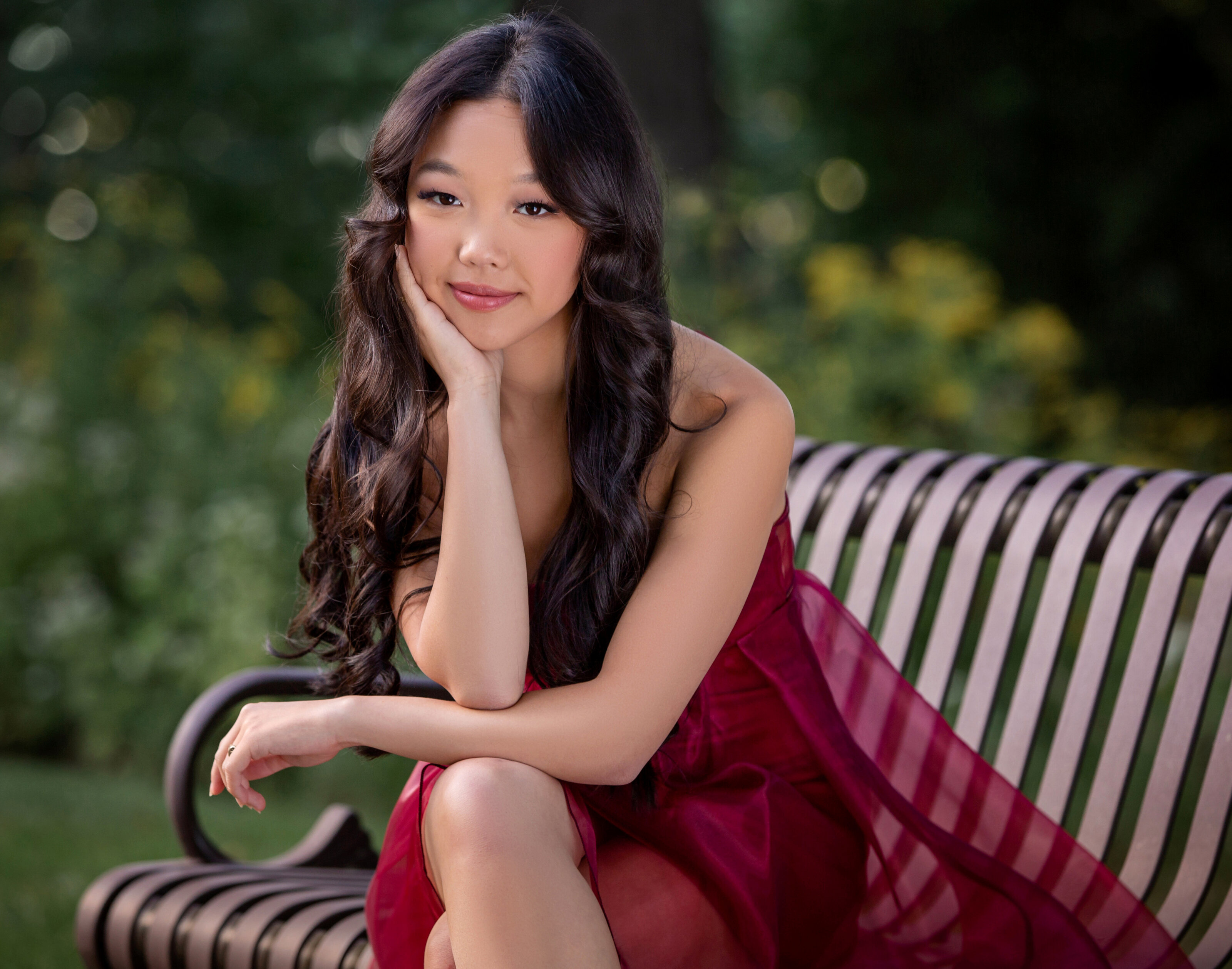
- Red: Passion, excitement, warmth Blue: Trust, calmness, professionalism Green: Growth, harmony Yellow: Happiness, energy Black: Sophistication, elegance White: Purity, simplicity
When taking corporate headshots or high school senior portraits, choosing the right background and wardrobe colors will communicate your intended message more effectively.
Color Theory Applications in Portrait Photography
1. Choosing the Right Background Colors
The background plays an essential role in setting up the mood for any portrait shot. For instance:
- A light blue background can instill feelings of calmness which may be fitting for corporate headshots. Bright backgrounds like yellow or orange can add energy and vibrancy to high school senior portraits.
2. Wardrobe Choices Based on Color Psychology
What you wear matters! When preparing clients for their shoot:
- Suggest warm tones like red or orange for subjects who want to emanate energy. Recommend cool tones like green or blue for those desiring a more relaxed vibe.
Creating Color Harmony Through Wardrobe Coordination
Harmony is key when combining multiple colors within a portrait session. Here are some tips:
1. Complementary Colors
These are opposite each other on the color wheel (e.g., blue-orange). Using complementary colors can create visual interest but should be balanced carefully not to overwhelm viewers.
2. Analogous Colors
These are adjacent on the color wheel (e.g., blue-green-yellow). They work well together as they naturally blend while still providing enough contrast.
3. Monochromatic Schemes
Sticking with different shades of one color creates a cohesive look. This is particularly effective for corporate headshots where uniformity is sought after.
Lighting’s Role in Color Perception
When discussing using color theory to impact mood effectively, lighting cannot be overlooked. Different lighting conditions will alter how we perceive colors:
- Natural light renders colors more accurately than artificial sources. Golden hour offers warm tones that enhance skin complexion beautifully.
Understanding this will allow you to plan shoots strategically according to time of day or location.
Practical Tips for Implementing Color Theory
Always consider your subject’s personality during wardrobe consultations.
Use props sparingly but strategically—they can pop against neutral palettes without overwhelming your composition.
Test out different backgrounds prior to shooting—what looks good on camera might differ from real life!
Encourage clients to bring multiple outfits so you can explore various moods throughout the session.
Analyze previous work—see which color schemes have performed well based on viewer engagement!
Keep current trends in mind but don’t let them dictate your creative vision entirely; timelessness often trumps fleeting fads!
Exploring Specific Techniques: High School Senior Portrait Photography
High school senior portraits offer unique opportunities for creativity through effective use of color theory because they capture pivotal moments at such an exciting time in young lives! Here’s how you can apply our earlier discussions directly into practice:
Understanding Your Client’s Personality
Getting to know your subjects before their shoot helps immensely with wardrobe choices as well as posing styles! Hold pre-session consultations where you discuss interests/hobbies/personal style preferences—all these insights will inform better decisions around aesthetic direction (including color).
Utilizing Seasonal Colors
Seasonality affects more than wardrobe—it impacts backdrop selection too!
Spring/Summer
Opt for bright pastels or floral patterns which exude youthfulness reflecting nature coming back alive after winter’s chill!
Fall/Winter
Consider earthier tones like maroons/browns/golden yellows which resonate beautifully against autumn leaves—or cooler blues/whites reminiscent of snowy landscapes!
Experimenting with Props & Accessories
Props aren’t just accessories; they’re storytelling devices! Incorporating items related specifically towards students’ passions helps personalize their experience while also enriching overall imagery through added layers (think musical instruments/sports equipment/books).
FAQ Section
1. What is the importance of color theory in photography?
Answer: Color theory helps photographers understand how different colors relate emotionally and visually when captured through lenses—the right choices can evoke desired moods effectively enhancing viewer engagement!
2. How do I choose colors for corporate headshots?
Answer: Opt for solid neutrals or muted shades—these promote professionalism while ensuring subject faces remain focal points without distractions from busy patterns!
3. Can I mix multiple bold colors together?
Answer: Yes! However make sure they complement each other either by utilizing complementary schemes or sticking closely within analogous palettes ensuring balance remains intact across compositions!
4. Should I consider my client’s personal style when selecting wardrobe?
Answer: Absolutely! Aligning stylistic choices enhances comfort levels leading towards authentic expressions during shoots creating richer imagery overall!
5. What effect does lighting have on perceived color?
Answer: Lighting significantly alters visibility/intensity level affecting how hues appear—natural daylight yields truest representations compared with artificial sources which may cast unwanted tints/shades altering original intent behind chosen palettes altogether!
6. How do seasonal changes influence my portrait sessions?
Answer: Seasons dictate certain aspects such as available natural light conditions & suitable backdrops aligning well with current trends ensuring images resonate authentically representative toward subject matter itself rather than appearing dated overtime—timeliness matters!
Conclusion
Using color theory effectively transforms ordinary portraits into meaningful narratives filled with emotional depth and connection potential—a crucial aspect whether capturing youthful exuberance during high school senior sessions or conveying authority within professional corporate headshots! By understanding fundamental concepts surrounding hue psychology/interaction alongside practical applications tailored towards context needs; photographers stand poised ready seize opportunities arising amidst evolving industry landscapes continually pushing creative boundaries ever forward into new realms exploration awaits! Embrace these principles wholeheartedly—after all artistry thrives upon thoughtful consideration blending passion knowledge intertwining perfectly producing masterpieces along journeys traveled together camera hand every step way forward toward lasting impressions made forever captured frames memory keepsakes cherished long after moments fade away time itself…